

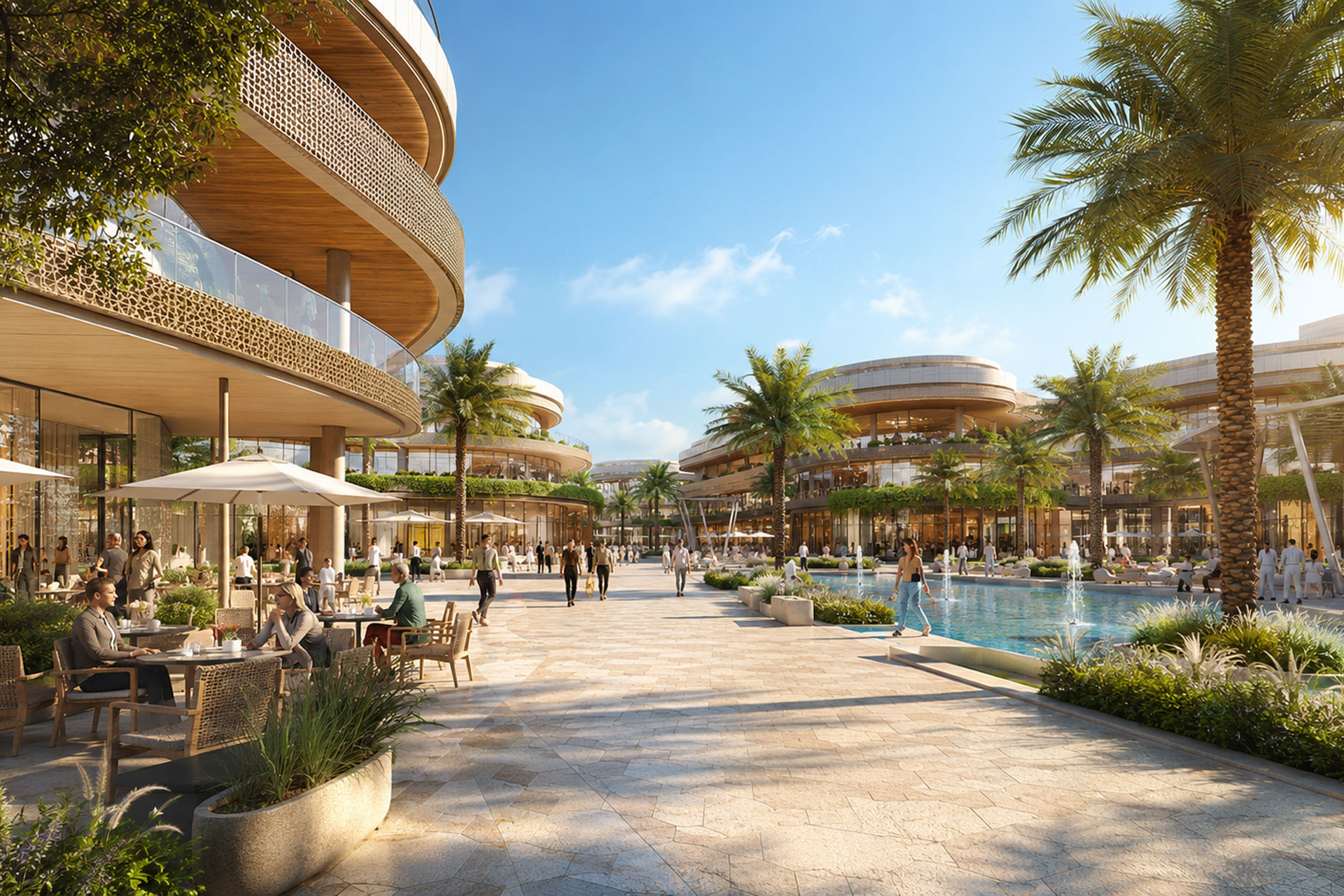
How local identity turns places into long-term destination assets.
Places do not become valuable because they are visible. They become valuable when people can understand where they are, why the place feels specific and why it is worth returning to.
This is the real discipline of place branding. It is not a campaign, a logo or a visual identity applied to a destination after the work is complete. It is the discipline of keeping a place’s identity present inside the decisions that shape it: architecture, materials, landscape, public realm, hospitality, residences, movement, service and long-term care. This matters especially when development happens at scale.
Across the Gulf, and particularly in Saudi Arabia, entire cities, districts and destinations are being created with extraordinary ambition. In this context, the question is not whether places can be built. They can. The more important question is whether they can become places with a clear identity, a strong sense of belonging and long-term value.
A destination becomes valuable when it is unmistakably itself.
Identity is Value Infrastructure
Local identity is not decoration. It is value infrastructure. It gives direction to what should be built, how it should feel, which materials belong, how public space should work, how hospitality should welcome people and how residences should connect to the wider place.
Saudi Arabia’s own architectural direction confirms this. The Saudi Architecture Characters Map identifies 19 architectural styles inspired by the Kingdom’s geographical, natural and cultural characteristics. That is not a visual trend. It is evidence that identity is being treated as a national design and development principle.
At-Turaif in Diriyah offers another example. UNESCO recognises it as bearing witness to the Najdi architectural style specific to central Arabia. Its value is inseparable from material, climate, construction logic, urban form and history. The place is important because it carries a specific architectural and cultural identity.
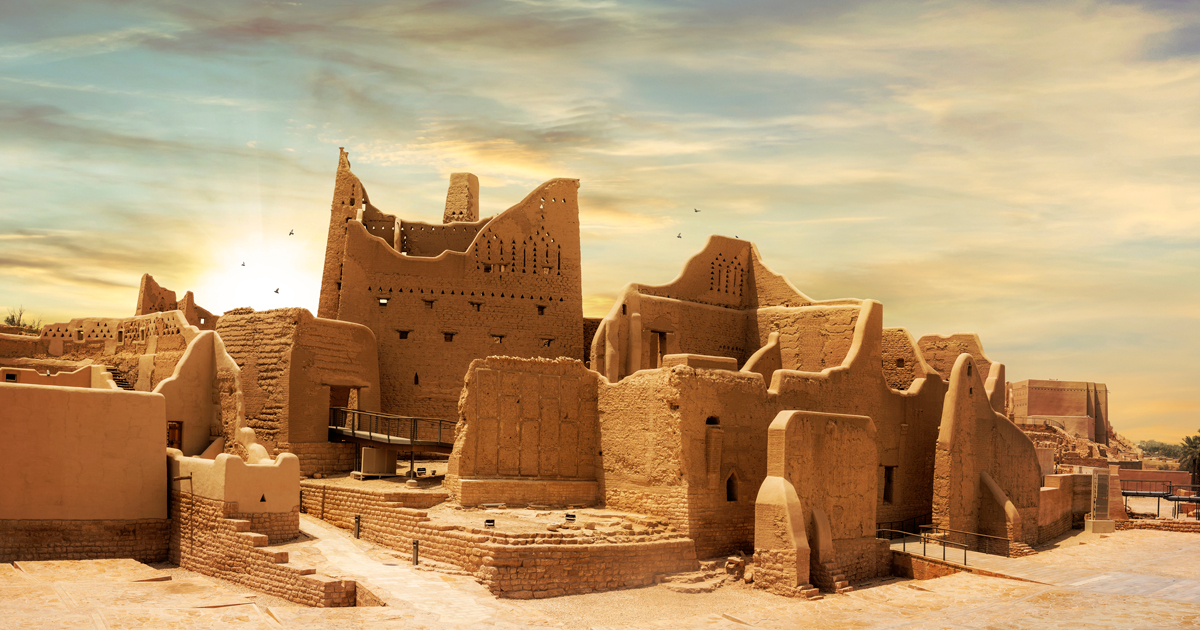
At-Turaif in Diriyah demonstrates how local material, climate, construction logic and urban form shape a distinct architectural identity.
Scale Needs Specificity
Large-scale development does not need to become generic. It needs a stronger system of specificity. When cities, districts, resorts and residential destinations are created at speed, identity becomes the discipline that keeps the place coherent. It helps determine what belongs, what should be translated, what should be protected and how the experience should feel over time.
The issue is not whether to build more or less. The issue is whether development carries the character of the place as it grows.
This is why place branding must be understood before promotion. It should guide material choices, architectural language, landscape strategy, public realm, hospitality rituals, arrival sequences, wayfinding, service standards and the relationship between private assets and shared experience.
For investors, developers and family offices, this has commercial importance. A residence, resort, mixed-use district or hospitality destination gains value from the wider place it belongs to. The stronger the identity of that place, the stronger the emotional and commercial logic of ownership, visitation and return.
The Built Environment Carries the Brand
A destination’s brand is carried by the environment people experience. It is carried by the road that brings them in, the way they arrive, the materials they touch, the views they remember, the public spaces they cross, the hospitality they receive, the residences they enter and the details that make the place feel coherent. This is where place branding becomes physical.
A place can speak through stone, light, shade, landscape, water, craft, service, movement and atmosphere. When these elements are brought together with clarity, the destination becomes legible. People understand it. They remember it. They return to it.
Promotion may attract attention, but the environment must hold that attention and turn it into trust.
The Value Creation Circle at Destination Scale
A destination becomes a long-term asset when its identity is protected across its lifecycle.
This requires more than a strong concept at the beginning. It requires execution quality, operational care and continuous stewardship. The character of the place must remain visible as the destination grows, welcomes new users, adapts to new needs and responds to time.
This is where the Value Creation Circle™ becomes relevant at destination scale.
Strategy defines what the place is and what must be protected.
Design translates that identity into environments, experiences and systems.
Execution protects the quality of the idea in the built reality.
Evolution keeps the destination coherent, relevant and valuable over time.
For STIRIXIS Group, this is the practical meaning of creating long-term value in destination environments. The work is not only to design buildings or spaces. It is to help shape places that can attract people, support investment, carry identity and keep their value across time.
The places that will hold value are those that can grow without losing their identity. For investors, developers, family offices and organisations shaping new destinations, the question is clear:
What makes this place unmistakably itself? Because a place that people return to is more than a destination. It is a living asset.
Explore how STIRIXIS Group creates long-term value through Strategy, Design, Execution and Evolution.