

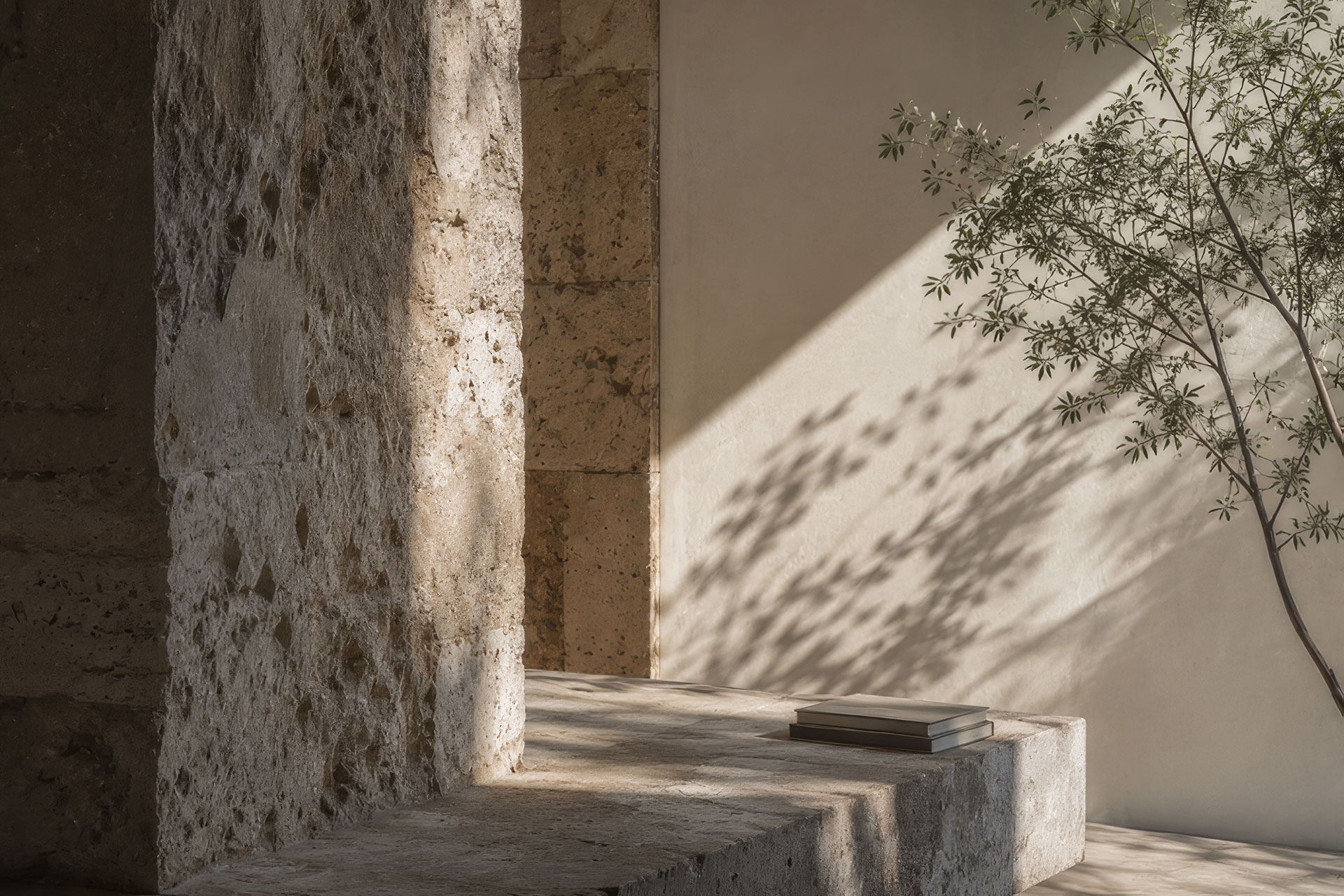
On restoration, restraint and working with what already exists.
By Afroditi Karaiskou, Head of Design, STIRIXIS Group
SUMMARY
In this article, Afroditi Karaiskou, our Head of Design at STIRIXIS Group, reflects on time as one of the most powerful forces in architecture. Through the lens of restoration, she explores why existing buildings must first be read, understood, and respected before they are transformed. For STIRIXIS Group, this connects to a larger belief: meaningful design protects what has value, reveals what has meaning and creates continuity between past relevance and future performance.
Some buildings we pass without a second thought. Others change our pace before we enter them. They carry a presence that comes from having lived, from holding traces of people, decisions, repairs and moments that remain quietly visible.
Standing before such a building is profoundly humbling. Every time I walk into one, it reminds me that architecture is not only about creating something new. It has witnessed generations, cities shifting around it, technologies changing and expectations being rewritten. Yet it still stands with confidence, carrying time in its materials, proportions, corners and silences.
Time as Designer
As architects, we speak often about innovation. We look to new materials, new technologies and new ways of designing. We create spaces that respond to today’s needs and tomorrow’s ambitions. Existing buildings, however, remind us of something easily overlooked.
“Time is not the enemy of architecture. It is one of its greatest designers.”
The Intelligence of What Exists
A historic building already carries decisions tested by decades, sometimes centuries. Weathered materials, repaired edges and slight imperfections tell stories no drawing can fully capture. Restoration begins by reading those stories carefully, then understanding what the building has become and how it can continue to matter.
Design as Responsibility
This is where design becomes responsibility. Working with existing buildings means recognising the value already present and shaping it with purpose, so it can serve a new chapter with relevance, integrity and long-term value.
The work requires more than technical skill. It asks for judgement: what should remain visible, what can evolve, and how new uses can be introduced while protecting the character that gives a place its meaning.
The Discipline of Restraint
Architects are trained to solve problems. In restoration, one of the greatest challenges is knowing when to intervene and when to listen. Irregularities can hold memory. Signs of age can reveal truth. A repaired corner, a worn material or a slightly imperfect line may carry more value than a polished replacement.
The most difficult decisions are rarely only technical. They are philosophical. How much should we preserve? How much should we transform? Where does respect become imitation? Every building asks its own question.
For us, the answer starts with context. It comes from understanding the building, its identity, the people who will inhabit it and the experience it is meant to support. Design is meaningful when it protects what has value, reveals what has meaning and allows a place to continue its life with relevance, dignity and human connection.
Humility Before Intervention
This is why working with existing buildings requires patience, curiosity and humility. Before drawing the first line, we have to learn to read the ones already there. The most meaningful restorations allow a building to keep telling its story while making room for a new chapter. Their centre is the building, its people and its future.
Perhaps the true role of architecture is not to compete with time. Nor to imitate the past. But to understand it well enough to design what comes next. That is one of architecture’s quietest responsibilities: to design alongside time.
The value of common spaces is defined long before they are designed.
advance@stirixis.com