

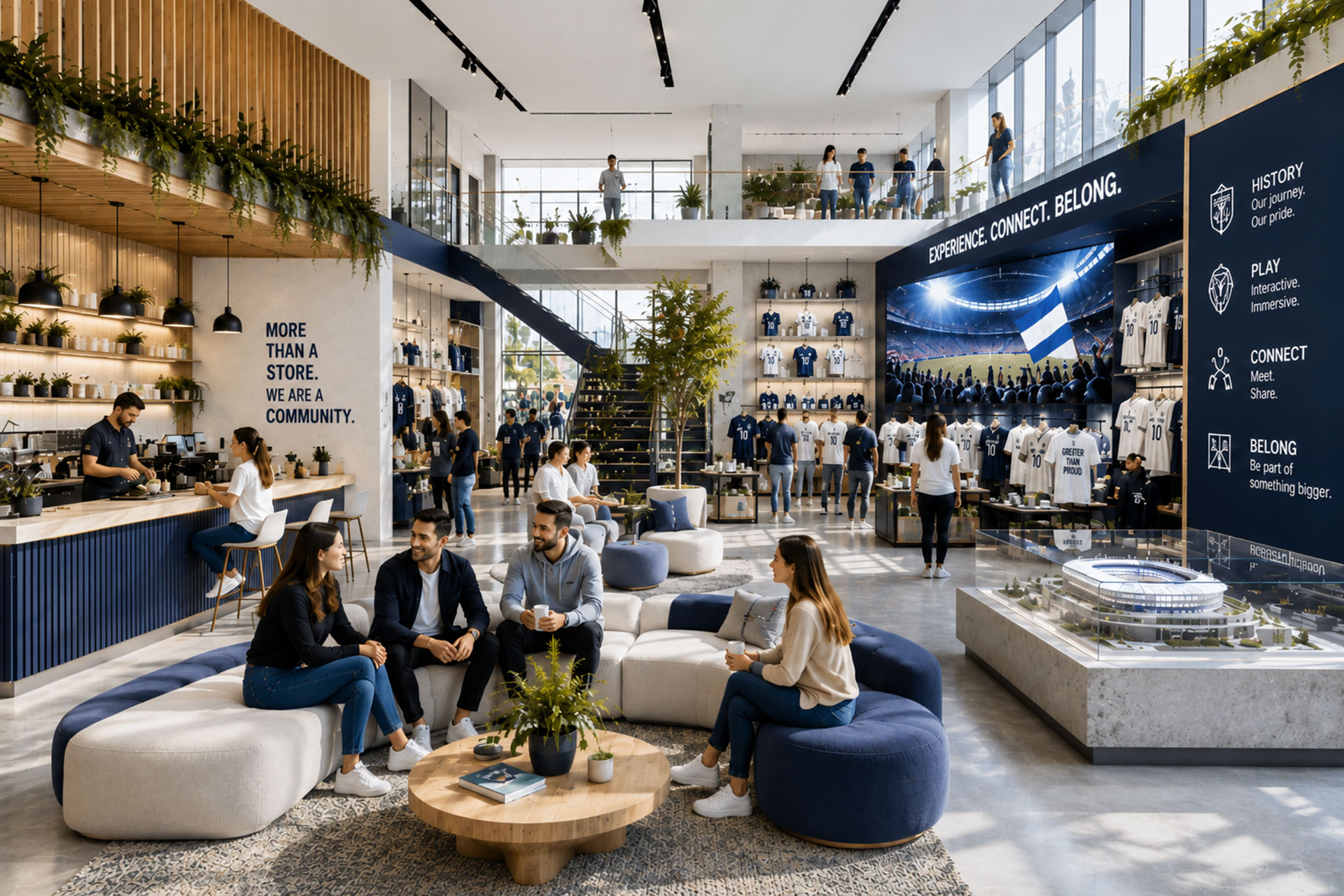
Why the next generation of physical retail is being designed for participation, belonging and return
By Nadia Christidi, Head of Brand & Corporate Communications, STIRIXIS Group
SUMMARY
Physical retail is evolving from a place of transaction into a platform for participation. Signals identified through Metallaxis show brands using physical space to build belonging, encourage return and create relationships that digital convenience cannot reproduce. The next retail brief begins with a bigger question: what should people become part of here?
Discovery, comparison, advice, payment and delivery can all happen elsewhere. Yet leading brands continue to invest in ambitious physical destinations. Across sport, technology, luxury and culture, Metallaxis signals point to the same shift: merchandise is being connected with community, learning, hospitality, entertainment and continuous renewal.
The store is not disappearing. Its role is expanding from a place organised primarily around transaction towards one designed for participation.
From Experience to Belonging
Retail has spent years talking about experience. But a spectacular interior, café or interactive installation does not necessarily create a stronger relationship with the brand.
The more valuable outcome is belonging. When people can participate, recognise themselves within a brand’s culture and find reasons to return without being under pressure to transact, physical space begins to build affinity.
Attention can generate the visit. Participation deepens the relationship. Belonging encourages return. Repeated return can strengthen preference, advocacy and loyalty. The objective is not simply longer dwell time. It is making the time people choose to spend with the brand mean something.
Three Signals of What Comes Next
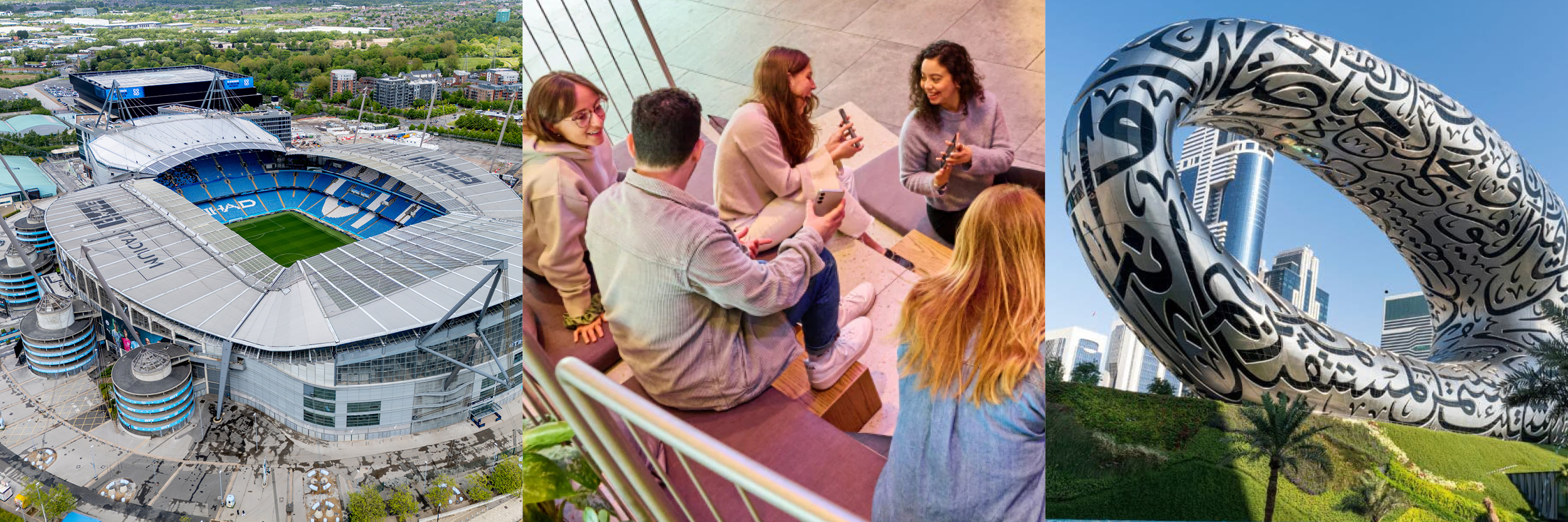
Manchester City is developing Medlock Square as a year-round fan destination, bringing together a new flagship CityStore, immersive museum, fan activation space, food and drink, hotel and other experiences. Merchandise becomes one part of a wider relationship between club, supporters and city.
Samsung KX in London combines technology with coworking, café, gaming, workshops, events, personalisation and support. Visitors can work, meet, learn and explore the ecosystem without purchase being the purpose of every visit.
Dubai’s Museum of the Future provides a different signal. Its exhibitions are reviewed, enhanced and replaced so the experience continues to evolve. A destination dedicated to the future understands that its own experience cannot remain fixed in the past.
Different sectors. One signal: physical value is shifting from what a place contains to what people can become part of.
Experience is Not the Strategy
Cafés, lounges, events and immersive features are easy to copy. They are formats, not strategy.
The real question is what the brand has permission to make possible. A football club can build around history, ritual and collective identity. A technology company can invite experimentation and learning. A luxury house can extend craftsmanship into culture and hospitality.
The strongest physical experience should not feel transferable to the retailer next door. It should feel inevitable to the brand that created it.
The future store does not simply give people more to experience. It gives them more to belong to.
Designed for Evolution
Even a successful experience ages. Technology, culture, communities and expectations change. The next generation of retail therefore needs to be designed for evolution through adaptable spaces, changing programmes, collaborations, events, partnerships and new services.
The architecture creates the platform, but the brand needs an operating model capable of continually activating it. The investment question is no longer only what the flagship should look like at opening, but how it will remain relevant in year three, five and ten.
The Next Retail Brief
Location, footprint, assortment, customer journey and commercial performance remain fundamental. But a more strategic question now comes first: what role should this physical place play in the relationship between people and the brand?
The answer affects programming, partnerships, staffing, hospitality, content, technology, revenue and measurement.
Through Metallaxis, STIRIXIS Group identifies emerging behavioural, cultural and commercial signals before they become established expectations. Through the Value Creation Circle™, those signals are translated into strategy, design, execution and continuous evolution.
The next generation of stores will compete for more than transactions. They will compete for time, participation and belonging. The brands that succeed will create something digital convenience cannot reproduce: a physical relationship people actively choose to return to.
Planning the next evolution of your retail network or flagship?
Talk to STIRIXIS Group about Retail Transformation →