

Designing Experiences People Trust
By Elena Kyrnassiou Athanassoula, Vice President and Executive Director, STIRIXIS Group
SUMMARY
Artificial intelligence, responsive environments and digital tools are reshaping public spaces everywhere, from museums to airports to campuses. Their success is never measured by how advanced they are. It is measured by how naturally people trust them enough to stop noticing them at all.
During a recent visit to a museum in the Gulf, I found myself watching the visitors as much as the exhibits.
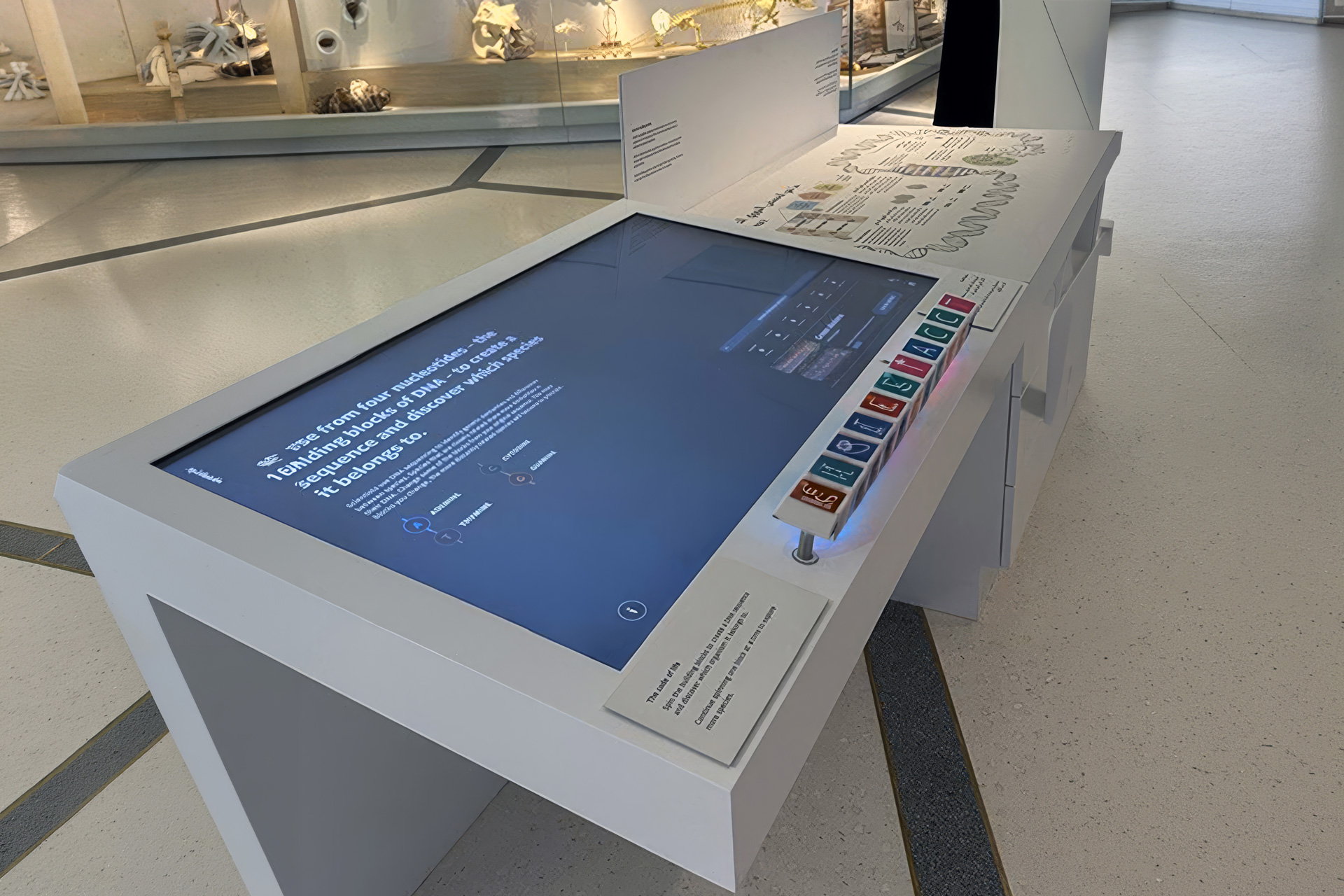
Children explored confidently without needing instructions. Families moved naturally from one gallery to the next. Visitors who shared no common language still found their way through a room with ease. Technology was present everywhere, in the wayfinding, in the interactive walls, in the multilingual guides, and yet it never once asked to be admired. It simply worked, quietly, in the background of people’s attention.
I had no part in building that museum. I was a visitor, like everyone else in the room. What stayed with me was how little the technology asked of anyone. It made things easier without announcing that it was doing so.
That distinction matters more than it sounds. Interaction is a visitor doing something to a piece of technology. Engagement is a visitor choosing to stay, to look closer, to return. The best technology in a public space earns engagement precisely by asking for less interaction, not more. It supports the moment instead of competing with it.
“Interaction is a visitor doing something to a piece of technology. Engagement is a visitor choosing to stay, to look closer, to return.”
Beyond the Museum Walls
The same principle holds well beyond museums. An airport’s wayfinding succeeds when a traveller reaches their gate without once feeling lost, not when the signage wins a design award. A university campus succeeds when a new student finds the right building on the first try. A hospital’s digital check-in succeeds when a patient, already anxious, feels one thing has been made simple for them. A civic building, a transport hub, a mixed-use lobby: in every one of these, the same test applies. Good technology disappears into the experience it was built to support.
This matters more, not less, as artificial intelligence and responsive environments expand what public spaces can do. The conversation is no longer about whether technology belongs in a space. It clearly does, and it will keep expanding. The real conversation is how thoughtfully it is integrated into everything else already shaping that space: the architecture, the lighting, the circulation, the experience a visitor carries with them before they even arrive.
Ambition Needs the Right Sequence
Most owners today are not under-advised on technology. If anything, they are encouraged to make it visible, to feature it, to use it as proof of innovation for a board or an investor. That instinct is understandable, and it is not wrong. It is simply incomplete on its own. Technology designed to impress on opening day and technology designed to serve a visitor for the next ten years are not always the same investment, and the difference between them is decided long before a single system is switched on.
This is not a caution against ambition. It is a case for sequencing it correctly, so that the most advanced technology in a space still answers a simple question: what does this make easier for the person standing here, and will it still be making that easier in five years.
Where Strategy Already Lives
At STIRIXIS Group, technology is never a separate conversation from the rest of a project. It sits inside the same strategic brief that governs the architecture, the wayfinding and the long-term performance of a space, because Strategy governs everything that follows, through Design, Execution and Evolution. A technology decision made outside that brief is a decision made without knowing what it is for.
This is also why we return. Evolution is not an afterthought at STIRIXIS. It is the phase where we come back to measure whether a system is still doing its job years after it was installed and adjust it if it is not. Over many years, I have often returned to one belief: aesthetics create ethics. Before people understand a place intellectually, they experience it emotionally, and technology is now part of that first impression, whether it is designed deliberately or not. Getting it right is not a technical decision. It is a strategic one, from the first conversation to the last.
If technology is part of your next public space, cultural, civic, transport or mixed-use project, we can help make sure it is integrated at Strategy stage, not bolted on afterwards. STIRIXIS Group works from Athens, London and Dubai across cultural, hospitality, education, retail and mixed-use projects.
advance@stirixis.com